Encouragement messages for runners: what actually helps mid-race
Real encouragement messages for runners, sorted by race moment—start, the wall, last kilometre—and why a voice in your ear beats a text you cannot read.
You want encouragement messages for runners that actually help mid-race—not a generic slogan on a cardboard sign. Timing matters as much as wording. A text at the start village, a roadside shout, and a voice in the ear at kilometre 32 do different jobs.
Below are usable examples by race moment, plus the gap between written notes and voice notes—and what to say to a runner during a race.
What helps (and what annoys)
Useful messages are short, true, and personal. A name, a nod to training, a reminder of the “why” lands better than a stock mantra.
Almost always skip:
- “You’re almost there” with 12 km left
- “The hard part is over” halfway up a climb
- Unsolicited pace advice (“speed up”, “catch that guy”)
- Made-up distances (“only 500 m” said three times)
A sincere “I’m proud of you” beats a wrong distance call. If you are running a marathon alone, outside encouragement supports your own mental work—it does not replace it.
Written vs voice: different jobs
Written (SMS, sign, note)
Writing shines before the gun and after the finish. Mid-race, few people pull out a phone to read. A sign works only if the runner sees you and can parse it in one second.
Useful written examples:
- “Thinking of you. Settle into the start—we’re here.”
- “Those long runs count. Trust your legs.”
- “Medal or not, we’re proud. See you at the finish.”
Voice heard while running
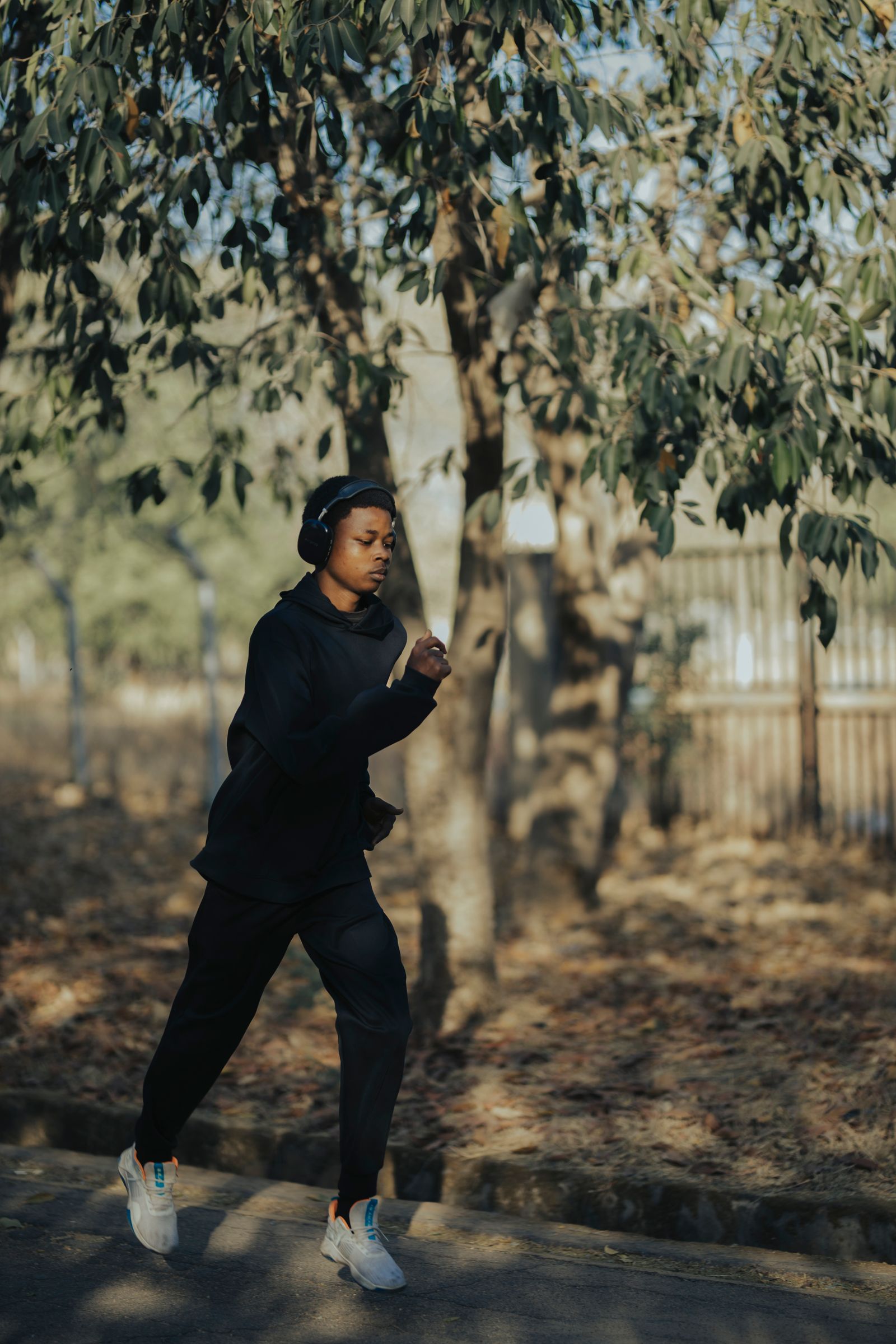
Voice notes land during the effort: earbuds on, eyes on the road. That is when a familiar voice matters—especially when crowds thin on a lonely stretch or a quiet trail section.
Voice examples (10–20 seconds max):
- “Hey, it’s me. You’re at km 25—breathe, hold your rhythm. We’re waiting for you.”
- “You suffered through those Sunday longs for this. Keep going—you’ve got it.”
- “Remember [personal reason]. One kilometre at a time.”
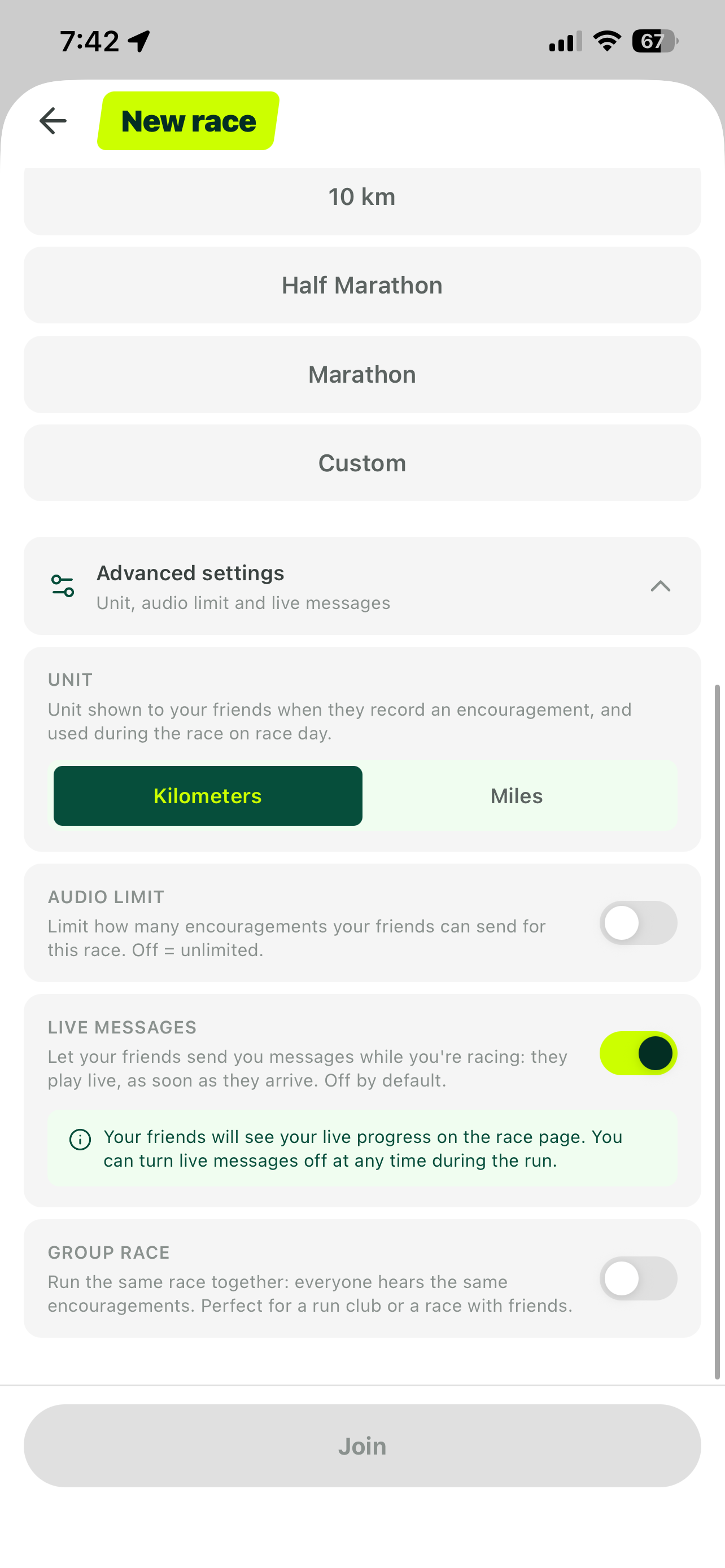
With Cobbr, supporters record those notes ahead of time and pick the kilometre; you hear them at the right moment without touching your phone. For notes sent in real time during the race, see live messages—same supporter link, different job: this page is about what to say; that one is the live feature.
Start messages (km 0–5)
Goal: calm the nerves, not redline the first mile. The pack is dense and adrenaline is high. An all-gas “go go go” can push someone out too hot.
Start examples
- “Find your pace. The clock can wait five minutes.”
- “Smile for the km 2 photographer, then drop the pressure.”
- “We’re on the side. You don’t need to prove anything in the first turn.”
- “Hydrate early. We’ll see you farther along.”
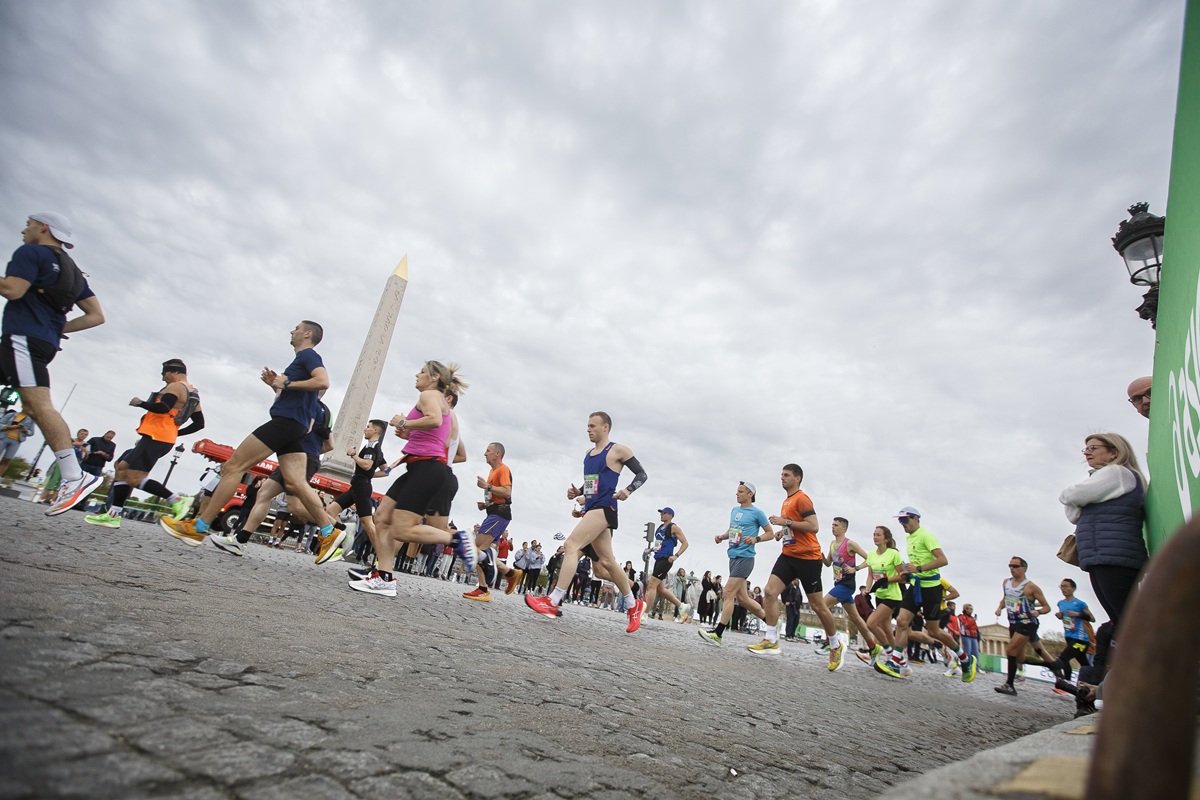
On a busy city course—think spectator-heavy events like the spots mapped for France’s Marathon de la Liberté—roadside cheers and a start voice note should say the same thing so the message stays coherent.
Mid-race messages (km 15–25 / halfway)
Goal: validate the work done without lying about what is left. Say “halfway” only when it is true.
Mid-race examples
- “You’ve eaten half the distance. Keep the same cadence.”
- “You look solid. Same rhythm as last Sunday’s long run.”
- “Drink and take a gel if that’s the plan. We’re with you.”
- “This false flat—you know it. Drop your shoulders.”
For trail encouragement, name the terrain: “The climb is hard, but the ridge is coming. Walk if you need, then go again.” On a punchy profile like the Mont Ventoux half, a voice note at the foot of the hard section beats a vague text the night before.
The wall (around marathon km 30)
The wall is real: heavy legs, bargaining brain. The best marathon encouragement here is concrete and short. Do not say “almost done” with a 10K still on the clock.
Wall / km 28–35 examples
- “The wall is normal. One step, then another. You’ve survived worse in training.”
- “You don’t have to look pretty. Just keep moving.”
- “Remember why you signed up. We’re with you.”
- “Shrink the race: only to the next aid station.”
- “Your playlist can wait. Hear this: you can do this.”
Skip improvised coaching (“surge now”). If you are tracking a major race like the BMW Berlin Marathon, a voice note at km 32 timed to the tracker beats ten random “you got this” texts.
Final kilometre and the finish
Now you can push. Short distances are finally true.
Late-race examples
- “Last kilo. Head up, arms driving. We see you.”
- “Empty the tank. The line is right there.”
- “You did it. Enjoy the last metres.”
- “Medal in five minutes. Smile for the camera.”
After the line, support shifts again: pride and care, not an instant time debrief.
- “Proud of you. Drink, eat—we’ll handle the rest.”
- “Time doesn’t matter today. You finished. That’s the win.”
What to say to a runner (roadside mode)
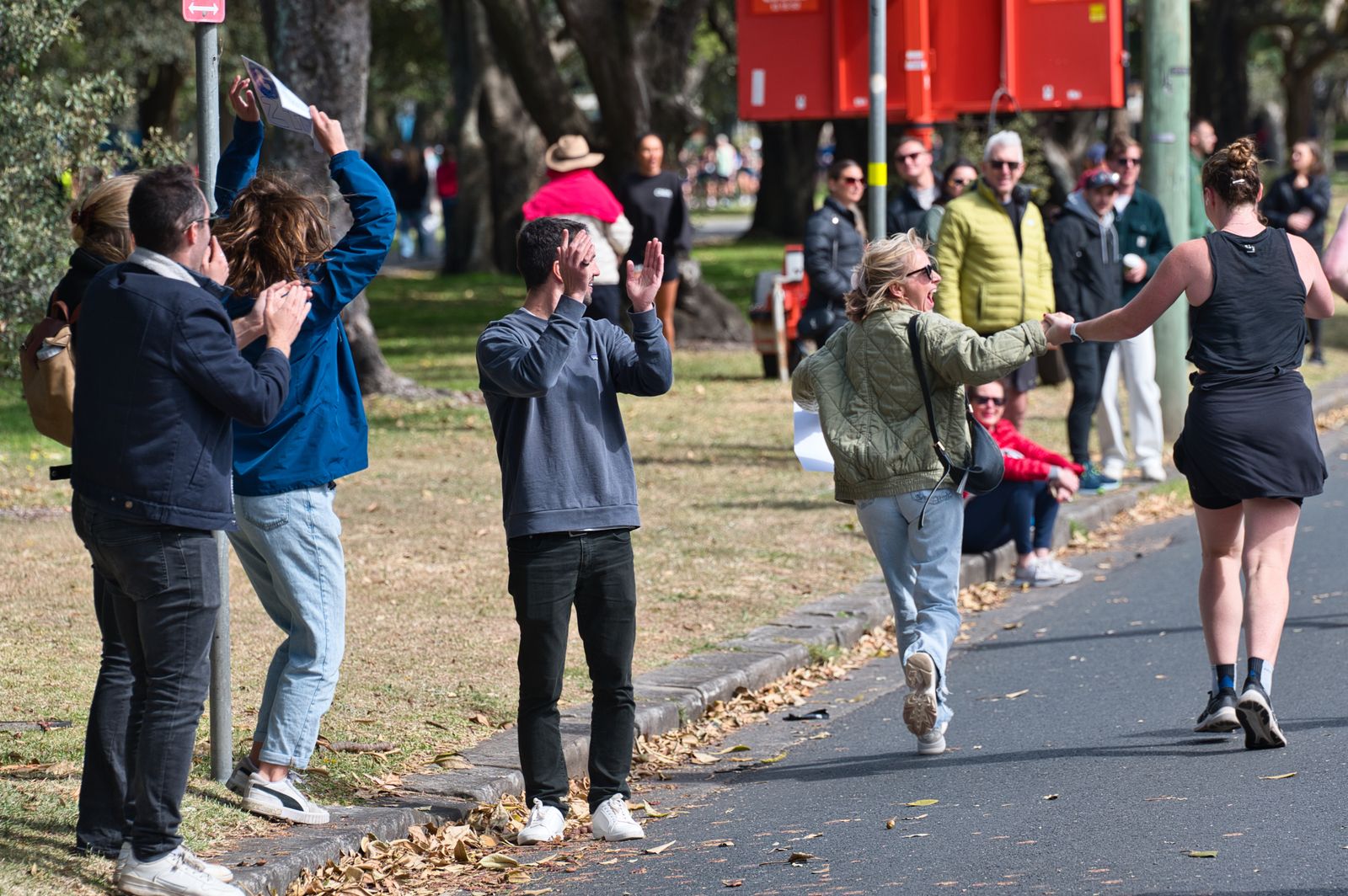
If you are on the curb, you get about two seconds of voice. Priorities:
- Their name (from the bib if needed)
- One short true line
- No unsolicited pace advice
Lines that land: “Go [name]!”, “Looking strong”, “We’re proud”. Lines to avoid: “Only 500 m” too early, “Almost finished” at km 20, “Why are you walking?”
Ask before race day what they want to hear. Some want quiet presence; others want a silly punchline. The best support message is the one they chose.
How to build a small encouragement playlist
- List 4–6 key moments (start, mid-race, hard point, final km)
- Assign one person per moment—different voices hit harder
- Write a line under 20 seconds; say it out loud once
- Record the day before, not in parking-lot panic
- Keep one “live” slot for someone watching the tracker (live messages)
You do not need fifty notes. Six honest lines beat a flood of cloned “you got this”.
Wrapping up
Good encouragement messages for runners are short, honest, and timed: calm at the start, validation mid-race, grit at the wall, push on the last kilometre. Writing prepares and celebrates; voice rides with the effort. If you wonder what to say to a runner during a race, start with their name, skip fake distances, and prefer a familiar voice in the ear over a slogan shouted too soon.