Running in Cold Weather: 5 Practical Tips for Winter
What to wear, when to head indoors, how to warm up and how to stay motivated: five practical habits for winter running, with voice encouragement from loved ones.
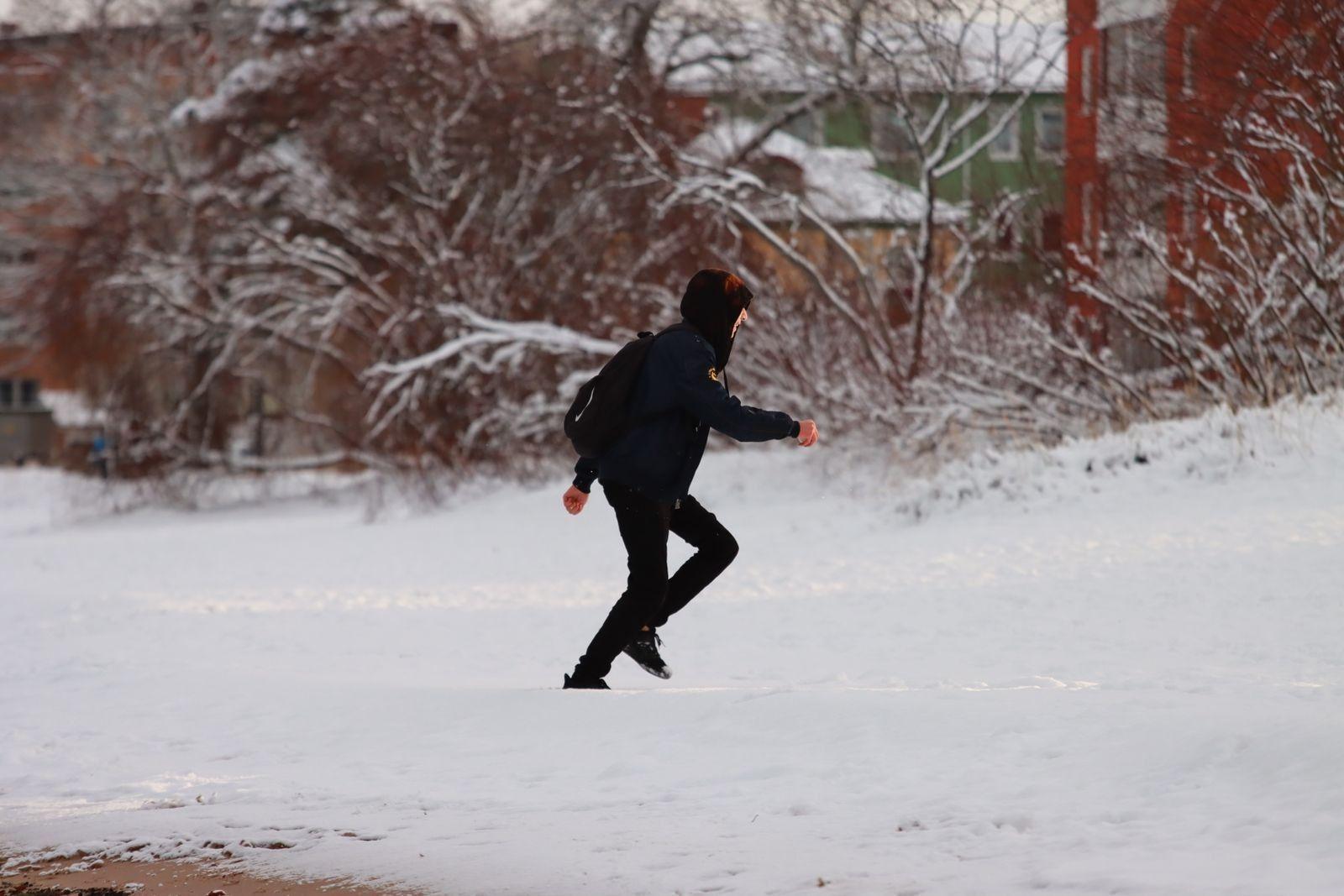
Running in cold weather is easier to manage with five habits: check the forecast and footing, wear adjustable breathable layers, warm up gradually, plan your hydration and a dry change of clothes, and arrange some encouragement. A good winter run is not necessarily your longest one. It is a run that fits the conditions and leaves you ready to come back another day.
1. Check the wind and footing before checking your target pace
Air temperature is only part of the picture. Look at the local forecast, wind chill, precipitation and weather warnings before you leave. Then check what is actually happening outside. A shiny pavement or a shaded section of your route deserves attention, even when the rest of the street looks clear.
Consider wind chill and reduced visibility, and move training indoors when conditions demand it. French public health agency Santé publique France also advises limiting physical exertion during severe cold. If ice, heavy snow or poor visibility makes the route unsafe, postpone the run or exercise indoors. Consistency does not mean completing every session outside.
Choose a familiar, well-lit route that you can shorten. A loop near home gives you an easy way back if conditions deteriorate or you need another layer. Tell someone where you are going and when you expect to return. Our guide to tracking a runner during a race explains location-sharing options, but sharing a location does not make an unsafe route safe.
If you have asthma, a heart condition or Raynaud's disease, discuss cold-weather exercise with a healthcare professional first. These conditions call for individual precautions.
2. Wear layers you can adjust, not clothes for standing still
The aim is to retain warmth while managing sweat. Mayo Clinic's layering advice starts with a thin synthetic base layer that moves moisture away from the skin. Add insulation when needed and a breathable outer layer for protection from the weather. Avoid cotton against your skin because it stays wet.
Think of this as a flexible system rather than an instruction to wear three tops on every run. Wind, rain, effort and your own comfort all affect the choice. A jacket you can unzip and a layer you can remove are more useful than a setup that leaves no room for adjustment.
Protect your hands, ears and feet too. Choose gloves or mittens, a hat or headband, and suitable socks. Make sure thicker socks do not leave your shoes uncomfortably tight. Try the combination before committing to a long route.
After each run, note the conditions, what you wore and whether you felt comfortable. That gives you a useful personal reference for next time. A calm, dry morning and a damp, windy evening may call for different choices even when the thermometer shows a similar reading.
In low light, use reflective details and appropriate lighting, and favour well-lit routes. Bright clothing alone is not a substitute for a light in darkness. Before putting your gloves on, organise your phone, keys and pockets so you can reach what you need without unpacking everything at the roadside.
3. Build into the run instead of chasing pace immediately
Begin with comfortable dynamic movements: brisk walking, gentle ankle movements, leg swings and arm movements. Follow them with easy running. You are preparing to move, not trying to finish a workout before you have left the starting point.
Advice differs on where to begin. Nike's expert guide suggests an indoor warm-up, while physiotherapy provider PhysioExtra favours warming up outside to avoid getting sweaty before entering the cold. The useful common ground is gradual movement without soaking your clothes. Pick a convenient sheltered place and keep the effort comfortable.
Start the run at a conversational effort. If the conditions affect your stride or breathing, slow down, shorten the route or stop. Nike's guide notes that a neck gaiter over the nose and mouth can help warm and humidify inhaled air; make sure it lets you breathe comfortably. Unusual breathing difficulty is not something to push through to complete a training target.
For a winter race, pair that gradual start with a realistic pacing plan. Our explanation of marathon cut-off times can help you understand the rules. A time limit is never a reason to ignore dangerous conditions or warning signs from your body.
4. Plan your drink and your dry clothes before you leave
Cold weather does not remove the need to hydrate. Drink fluids before, during and after exercise, even when thirst is less obvious. Plan access to water around your run's duration and your own needs rather than following one fixed amount for everyone.
Check your usual water stops. PhysioExtra points out that outdoor fountains may be closed in winter. If your route depends on one, find out before you arrive.
Treat the journey home as part of the plan. Have dry clothing ready, especially if you will be waiting for friends, travelling home or standing around after a finish. Do not linger outside in damp running clothes. Move into shelter, change and continue your cooldown somewhere comfortable.
Know when the priority is medical help rather than finishing. Intense shivering, slurred speech and loss of coordination are signs of hypothermia requiring emergency assistance. Persistent numbness also needs attention. Adding another layer is not an adequate response to every cold-related warning sign.
5. Make encouragement part of your winter routine
Lay your kit out beforehand and pick a straightforward route. Choose an achievable goal for the day instead of demanding a performance every time you leave home. Arrange to meet a friend, or ask someone to check in after your run. Small practical commitments make the start less complicated.
For your next winter race, Cobbr offers another way to bring people with you. In the mobile app, choose a race or create your own, then share your supporter link. Friends and family record voice encouragements and choose the kilometre where each message will play automatically through your earphones. To receive live messages through the same link during the race, turn on “Live messages” in your race’s advanced settings.

That is useful when you are wearing gloves and would rather not take your phone out to read a message. Set everything up and test it before the start. Keep the audio low enough to hear your surroundings, and follow the event's rules on headphones.
If your supporters are unsure what to say, send them our encouragement messages for runners or the guide to supporting someone running a marathon. Our article on live encouragement during a run explains the live option in more detail. A familiar voice can accompany a difficult stretch; it should never persuade you to ignore a reason to stop.
Your before-you-leave checklist
- Forecast, wind and footing checked; an indoor or postponed alternative available.
- Familiar route, suitable lighting and someone told your plan.
- Adjustable layers, protected hands and ears, charged phone.
- Gradual warm-up, water access and dry clothes for afterwards.
Cover photo: Efrem Efre / Pexels, Pexels licence. App screenshot: Cobbr, English interface.
FAQ: running in cold weather
What temperature is too cold to run outside?
Do not decide from the thermometer alone. Wind chill, wet weather, footing, exposure time and your health all matter. Follow local warnings and move training indoors or postpone it when conditions are unsafe. Severe cold is a reason to limit outdoor exertion.
Do I always need three layers for winter running?
No. Use the system flexibly: a moisture-wicking base, insulation if needed and protection from wind or rain. Adjust as you go rather than staying in clothes soaked with sweat.
Can I run on snow or ice?
Snow can hide a slippery surface underneath. If you cannot maintain reliable footing, choose another route or postpone the run. Suitable shoes do not make every surface safe.
How can I stay motivated when the weather gets cold?
Reduce the decisions involved in starting, arrange company where possible and ask for support. For a race, voice encouragements from loved ones in Cobbr can accompany your kilometres without replacing sensible cold-weather precautions.