20km de Paris 2026: course analysis and Cobbr encouragement
On October 11, 2026, run Harmonie Mutuelle 20km de Paris: detailed course analysis (Arc, Bois, quays), aid stations, race-day tips, and Cobbr km + live messages.
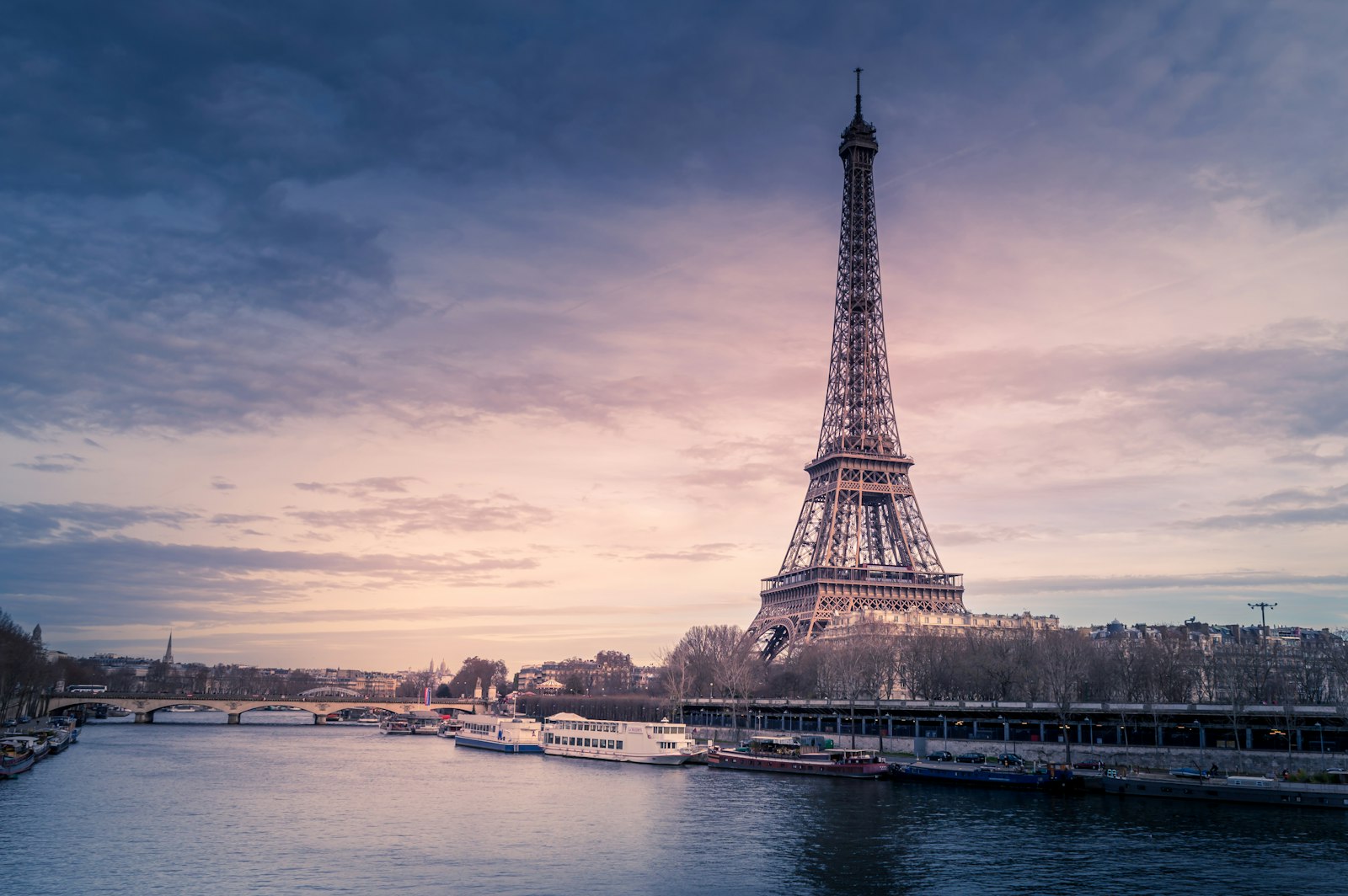
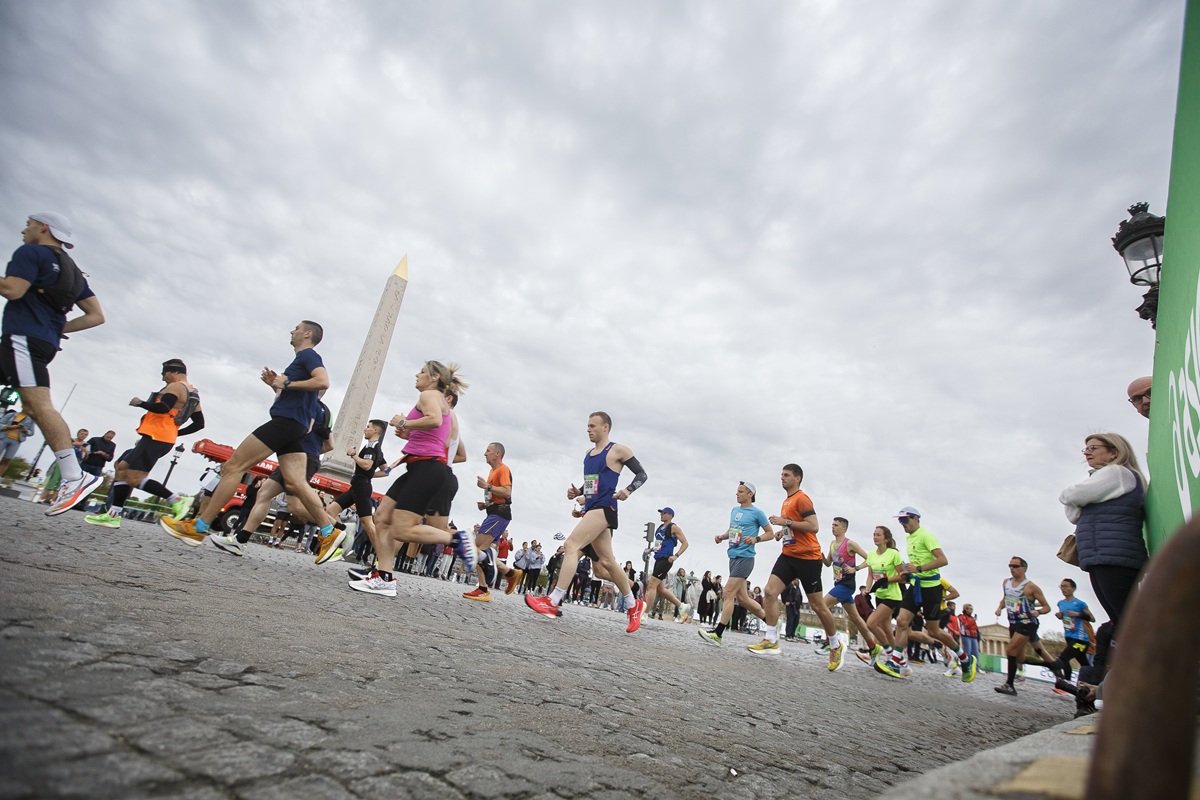
On Sunday, October 11, 2026, the 48th Harmonie Mutuelle 20km de Paris returns to western Paris. Start on the Pont d’Iéna, finish at the foot of the Eiffel Tower: a French classic at the distance.
Here is a course-focused read for pacing and race day — and how Cobbr can ride along for the full 20 km.
A Paris classic since 1979
Created in 1979 on Michel Jazy’s initiative, the race is organized by the “20 Kilomètres de Paris” association. In 2026, Harmonie Mutuelle is the title partner. Format: a timed 20 km loop through the capital, with finishing times announced roughly between 58 minutes and 2 hours 50 minutes.
Bib pickup and the village are at Stade Émile Anthoine (Place de Sydney, Paris 7th) on Friday, October 9 (10:00–20:00) and Saturday, October 10 (10:00–19:00). No Sunday morning pickup. First start 9:00 on the Pont d’Iéna; finish at the Eiffel Tower. Organizers plan 60 waves of about 500 runners, two minutes apart.
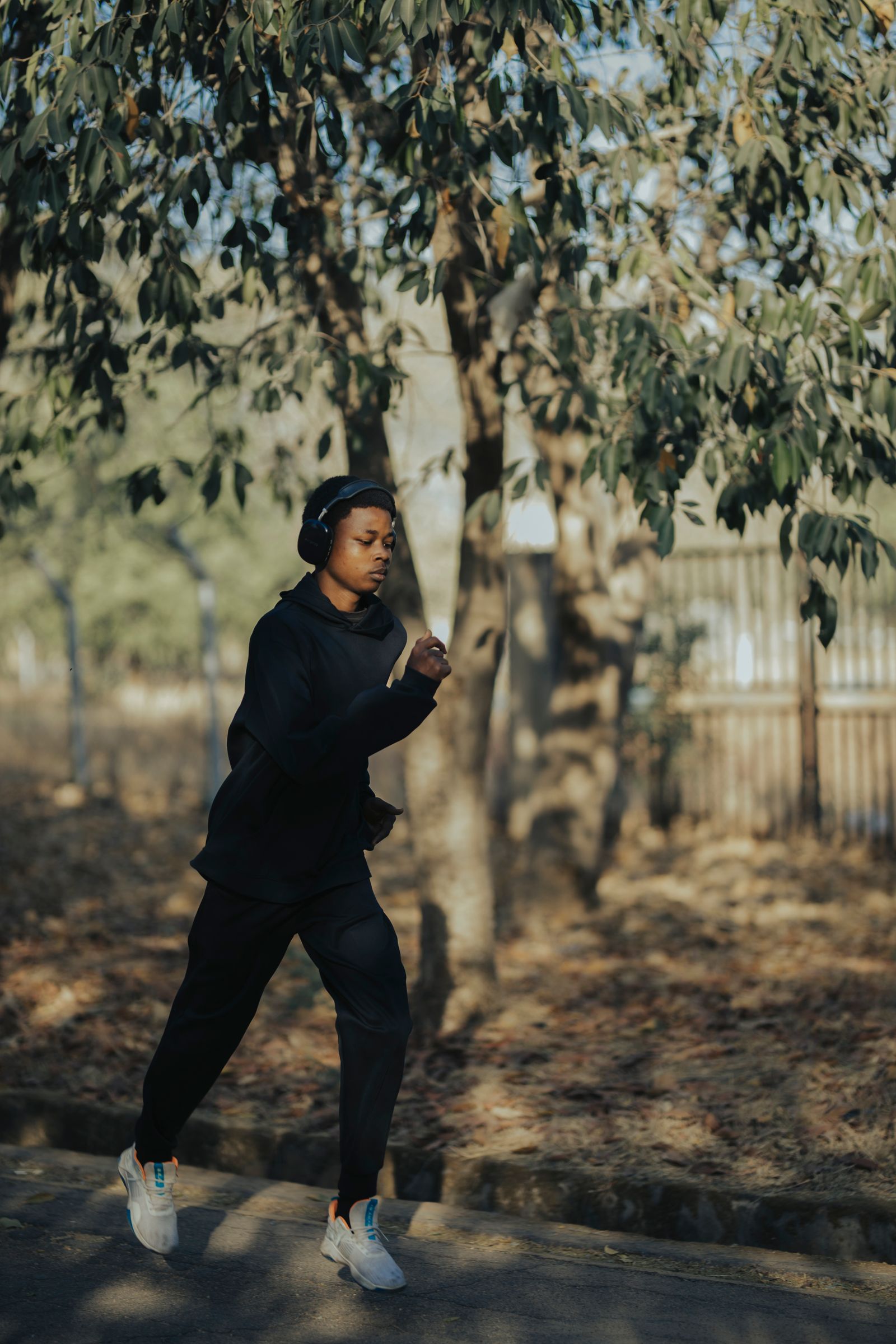
Expect live music along the village and course, and about 45 pacers (targets from 1:20 to 2:10). Earphones are allowed at your own risk — stay able to hear instructions and your surroundings.
Course analysis
The 2026 route showcases western Paris: Eiffel Tower, Trocadéro, Arc de Triomphe, Bois de Boulogne, Roland-Garros, Maison de la Radio, Grand Palais, Tuileries, Pont Royal, and the riverbanks. Organizers call it fast and rolling, with fewer surges and zigzags than before — especially toward Porte de Saint-Cloud. Wikipedia notes a course famous for its beauty and limited elevation, with the main difficulty early on.
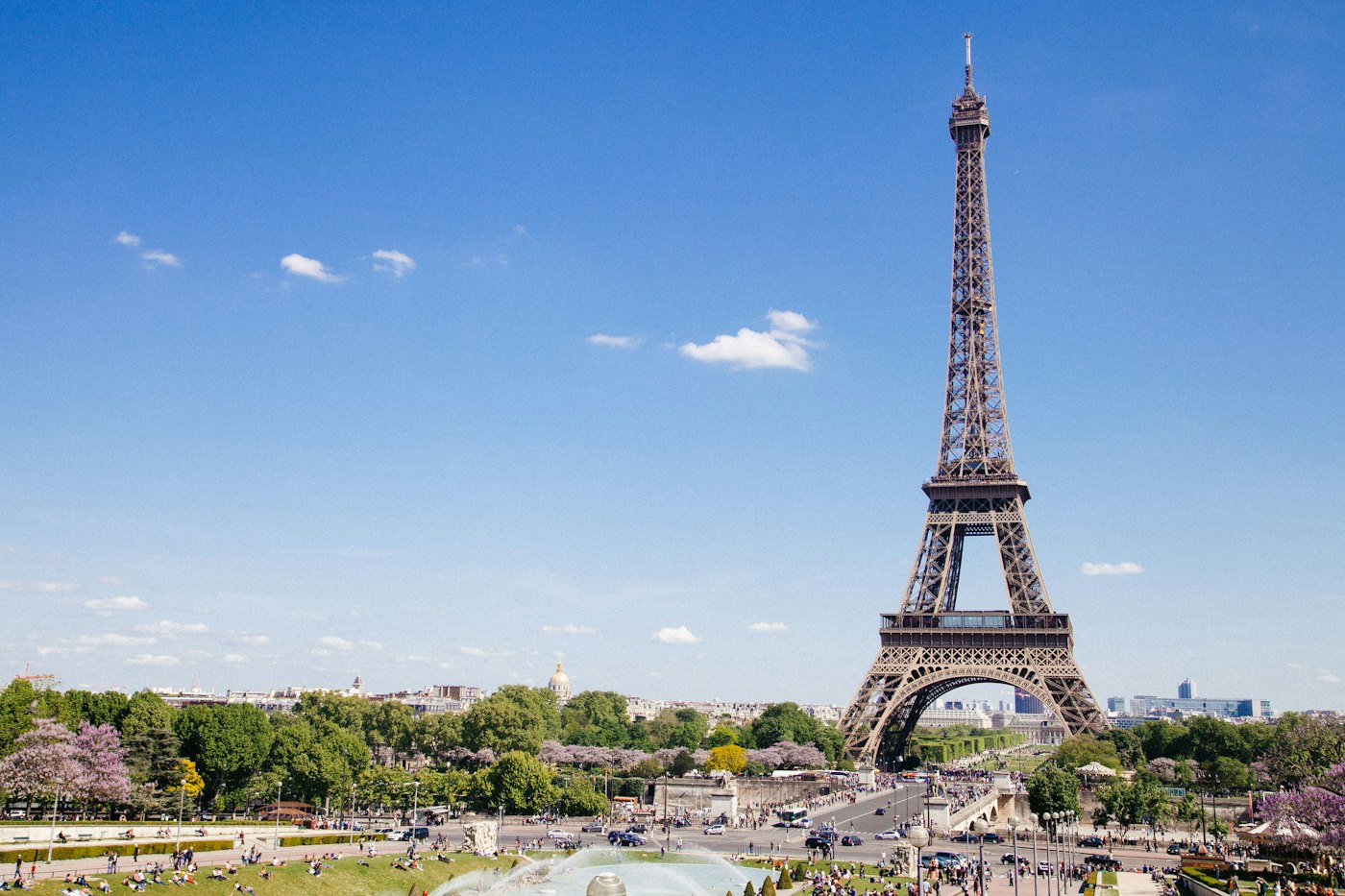
1. Pont d’Iéna start → Arc de Triomphe
You line up on the Pont d’Iéna, facing the Trocadéro. On the classic route description, runners head east on Avenue de New-York to the Pont de l’Alma, then climb toward Place Charles-de-Gaulle via Avenue Marceau.
This is the biggest trap. The rise toward the Étoile is often called the course’s main difficulty, while the rest is flatter. Start-line adrenaline plus wave energy makes it easy to burn matches early.
Treat the opening kilometers as a controlled roll-out. If you are chasing a time, accept feeling slightly held back until the Arc. If you are locking onto a pacer, stick close from the corral.
2. Bois de Boulogne (~4 km)
After the Étoile you enter the Bois de Boulogne for about 4 km, along Allée de Longchamp and Allée de la Reine Marguerite. More space, a greener feel, a real chance to lock cadence.
On a longer open sector it is easy to push if you feel good after the climb. Keep clean lines, skip pack surges, and take water at the early stations even if you are not thirsty. It is also a place to settle before the quays.
3. Leaving the woods → portes and quays
Out of the woods you pass Roland-Garros on Boulevard d’Auteuil, then take Boulevard Murat at Porte Molitor toward the Porte de Saint-Cloud roundabout. Organizers highlight a more direct stretch, with fewer turns and a short descent to the quays.
Use it if you managed the start: lengthen without cascading, reconnect with goal pace, and watch roundabouts where the pack can surge. Then you hit the Seine quays.
4. Quays, landmarks, Pont Royal, back to the Tower
You follow the river to the Pont Royal, passing areas around the Trocadéro, the Grand Palais, Concorde, and the Tuileries. After crossing, you stay on the Left Bank toward Quai Branly and finish at the Eiffel Tower.
This last third is spectacular — and sneaky. Landmarks and music can pull you into an early surge while riverbank remains. Or, if you overcooked Avenue Marceau, flat miles feel heavy here.
From Concorde / Tuileries to the Pont Royal, stay on plan. After the bridge, treat the Tower as near but not yet. Late aid around km 15 and 18 is for hydration and a mental reset.
Aid and medical (2026)
Per the organizers’ practical guide, six on-course zones are planned:
- about 3.5 km: water
- 6 km: water and solid
- about 9.5 km: water and solid
- 12 km: water
- 15 km: water and solid
- 18 km: water
The finish adds another station. Medical posts sit at the start, along kilometers listed by the organization, and at the finish. Expect water ramps and tables; allowed containers include reusable cups, soft flasks, or hydration packs. Timing mats at the start, every 5 km, and the finish — run over them.
Race-day tips
- Transport: RER C Champ-de-Mars – Tour Eiffel or Pont de l’Alma; metro Bir-Hakeim or Trocadéro. All of metro line 6 is announced closed on Sunday, October 11 — check your route the day before.
- Call time: follow your voucher and corral. Bag drop on the Champ-de-Mars from 7:30.
- Comfort: no showers on site — wet wipes help. October mornings can be cool; don’t start overdressed.
- Pacing: on a mainly rolling course, the classic mistake is still going out too hard toward the Étoile. Pacers with flags are there for a reason.
- Meet-up: Eiffel Tower / Champ-de-Mars gets dense — pick a precise spot.
Cobbr on the 20km de Paris
Twenty kilometers is not a marathon — but between the early climb, the woods, and the long quay finish, a familiar voice helps you stay on plan.
Cobbr lets your people record voice encouragement messages. You hear them in your earbuds while you run, without taking a call.
Kilometer messages
You create your race and share one link with family and friends. Each person picks a kilometer, records a voice note, and Cobbr plays it when you reach that point.
Useful slots:
- Km 2–4: toward the Arc — a calm “don’t surge” reminder.
- Km 6–8: in or just after the Bois — lock the pace.
- Km 12–15: quays and landmarks — motivate without finishing too early.
- Km 18: last mental push before the Tower.
Supporters do not need another app: the same link is enough.
Live messages
You can also enable live messages. Same supporter link. Once your race is running, they send a voice note right now, played on receipt — not only at a programmed kilometer.
Helpful if someone is tracking you live, just saw you on course, or wants to react when you fade on the quays.
Enable it via New race → Advanced settings → Live messages. Off by default; you can mute live mid-race if you need quiet. Both modes work with kilometer messages.
Bottom line
Harmonie Mutuelle 20km de Paris 2026 is October 11: 20 km from the Pont d’Iéna to the Eiffel Tower, Bois de Boulogne, quays and landmarks, a course billed as rolling with real respect due for the early climb to the Arc de Triomphe. Sort your corral, aid plan, transit (line 6 closed), and a sober pacing plan.
With Cobbr, carry km encouragements — and live ones if you want — so the Paris classic does not feel quite so solo.